







Inside The Cosmetology School Curriculum: What You’ll Learn
From hair texture and color to business building and social media, discover what you can learn in cosmetology school.
Cosmetology school is about much more than learning how to cut and style hair. A well-rounded curriculum introduces students to a wide range of beauty services while also helping them develop the professional, business, and personal skills needed to build a lasting career.
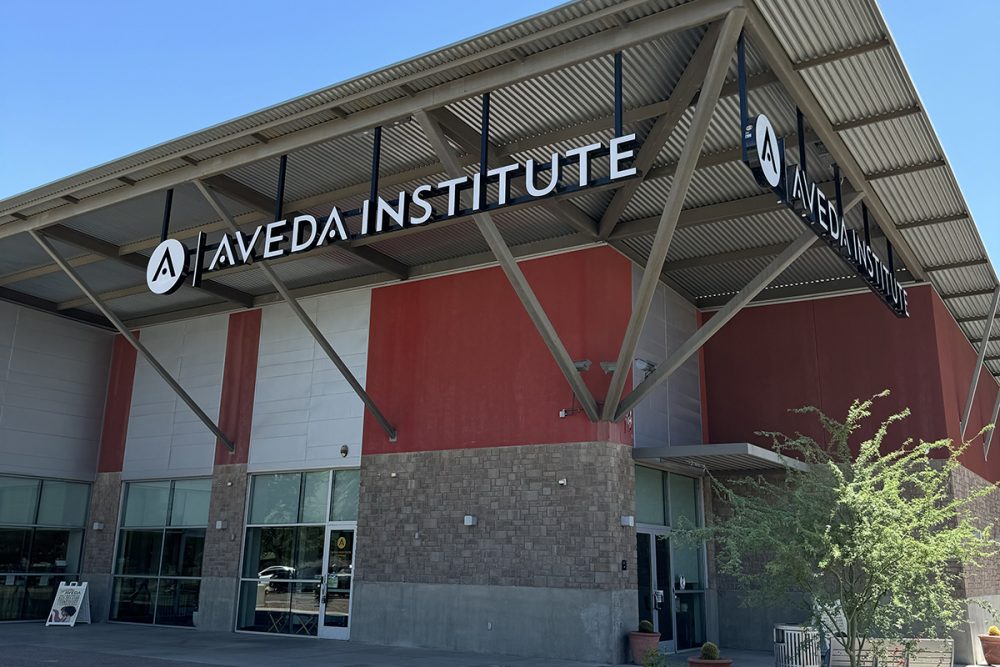
At Inspire Greatness Aveda Institutes, students receive hands-on education designed to prepare them to work with different guests, explore multiple areas of the beauty industry, and grow into confident professionals.
Here is a closer look at what students can learn throughout the cosmetology program.
Working With All Hair Textures
Every guest’s hair is different, which is why inclusive texture education is such an important part of cosmetology training.
Students learn techniques for effectively working with hair textures ranging from 2A to 4C. This helps future professionals understand how curl pattern, density, porosity, and texture can influence a guest’s service, product needs, and desired results.
Learning to confidently work with a wide range of textures allows graduates to serve a more diverse guest community.
Natural Hair Styling and Setting Techniques
Students learn how to work with and enhance natural texture through a variety of styling and setting methods.
This may include techniques for defining curls, creating shape, controlling volume, setting the hair, and achieving polished results while respecting the hair’s natural movement.
These skills help students create customized styles rather than taking a one-size-fits-all approach.
Thermal Styling and Event Styling
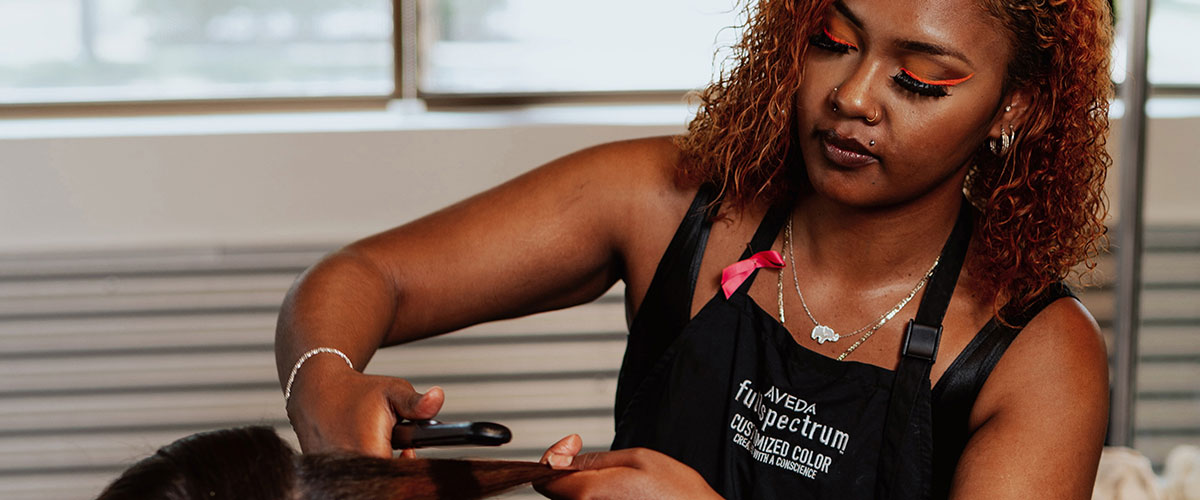
From everyday blowouts to special-occasion looks, styling is an essential part of the cosmetology curriculum.
Students develop experience with thermal tools and styling techniques used to create curls, waves, smooth finishes, volume, and texture. They can also explore event styling for occasions such as weddings, dances, photoshoots, and formal celebrations.
Haircutting and Barbering Techniques
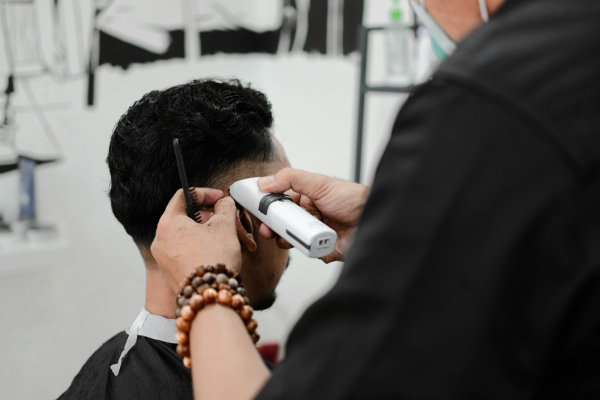
Haircutting education helps students build the technical foundation needed to create balanced, customized shapes.
The curriculum includes both haircutting and barbering techniques, giving students experience with a broader range of lengths, textures, tools, and guest preferences.
Students learn how to consider factors such as face shape, hair texture, lifestyle, and maintenance needs when creating a finished look.
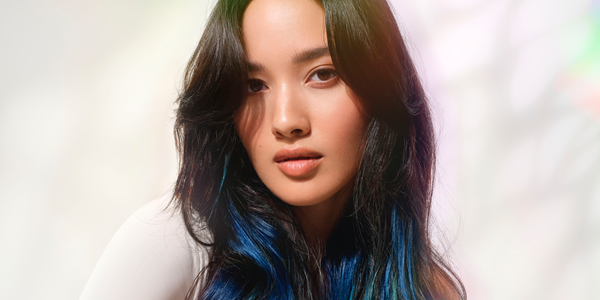
Hair Color Applications
Hair color combines creativity, chemistry, and precision.
Students learn the principles behind professional hair color applications, including color theory, formulation, application methods, lightening, toning, and maintaining the integrity of the hair.
As students progress, they can gain experience creating customized color results based on each guest’s starting point and desired outcome.
Hair Extension Techniques
Extensions have become an increasingly popular specialty within the beauty industry.
The cosmetology curriculum introduces students to hair extension techniques and the importance of proper application, maintenance, blending, and guest education.
This exposure can help students discover whether extensions are an area they would like to specialize in after graduation.
Permanent Wave Applications
Students also learn the science and techniques behind permanent wave applications.
This area of the curriculum helps students understand how chemical services can be used to alter the hair’s texture and create lasting curl, wave, or movement.
Safety, proper product use, consultation, and hair analysis are all important parts of performing these services responsibly.
Natural Nail Care and Artificial Nails
Cosmetology students receive education in both natural nail care and artificial nail services.
Students may learn about manicuring, nail shaping, polish application, sanitation, nail health, and artificial nail techniques. This creates a more complete understanding of beauty services beyond hair.
Waxing Techniques
Hair removal is another component of a comprehensive cosmetology education.
Students learn waxing techniques while focusing on sanitation, guest comfort, product use, skin preparation, and proper aftercare.
These skills allow future professionals to provide additional services and better understand the full guest experience.
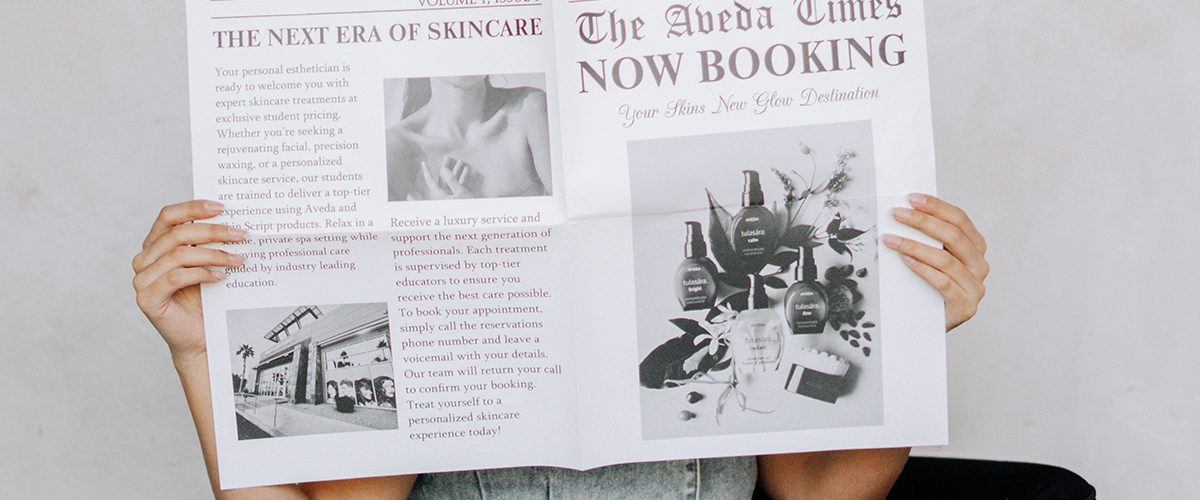
Facials and Skincare Basics
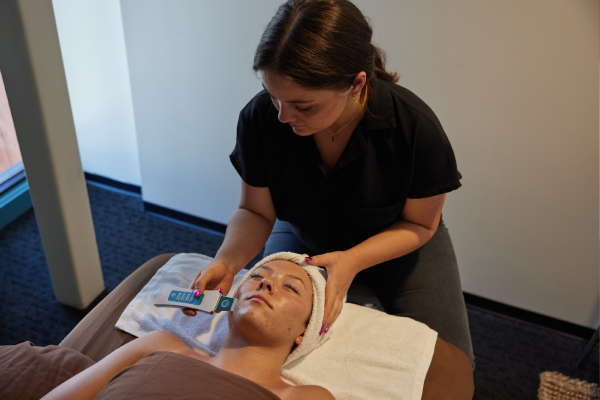
Cosmetology education also introduces students to foundational skincare services.
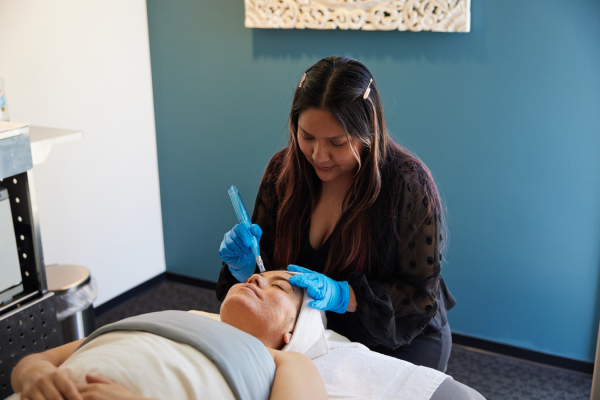
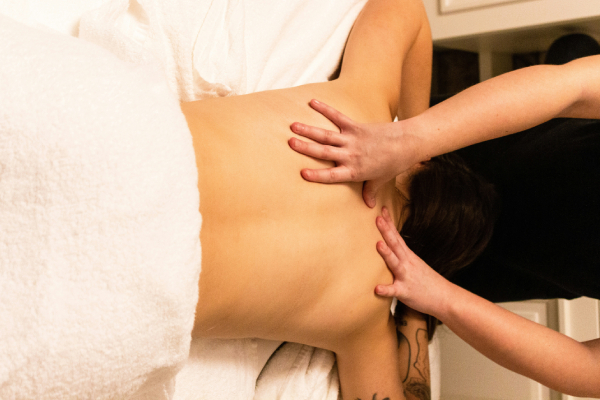
Through facial education, students can learn about skin analysis, cleansing, exfoliation, masks, massage techniques, product selection, and creating a relaxing experience for the guest.
This provides a broader understanding of beauty, wellness, and personal care.
Makeup Applications
Makeup education gives students another way to explore creativity and complete a guest’s overall look.
Students can learn foundational makeup application techniques, product knowledge, color selection, sanitation, and how to customize makeup for different features, skin tones, and occasions.
Makeup skills can be especially useful for bridal services, events, photoshoots, and editorial work.
Career and Financial Planning
Technical talent is important, but building a successful career also requires financial knowledge and thoughtful planning.
Through Money by Qnity, students receive education in career and financial planning. This can help them better understand topics such as income goals, budgeting, productivity, pricing, and the financial side of working in the beauty industry.
Business Building
Many beauty professionals eventually become independent contractors, suite renters, managers, educators, or salon owners.
Business-building education helps students begin thinking about how to attract and retain guests, create professional goals, understand the guest experience, and build a sustainable career.
These skills can be valuable whether a graduate works for an established salon or dreams of opening a business in the future.
Social Media and Marketing
Today’s beauty professionals often use social media as both a creative portfolio and a business tool.
Students can learn how to market their work, create a professional online presence, photograph finished services, communicate their personal brand, and use social platforms to connect with potential guests.
These skills can help graduates begin building visibility before they even enter the professional world.
Well-Being and Self-Care
A career in beauty is centered around caring for others, but professionals also need to know how to care for themselves.
Well-being and self-care education encourages students to develop healthy habits, manage stress, establish boundaries, and create routines that support a long and fulfilling career.
This focus reflects the idea that professional success and personal wellness should grow together.
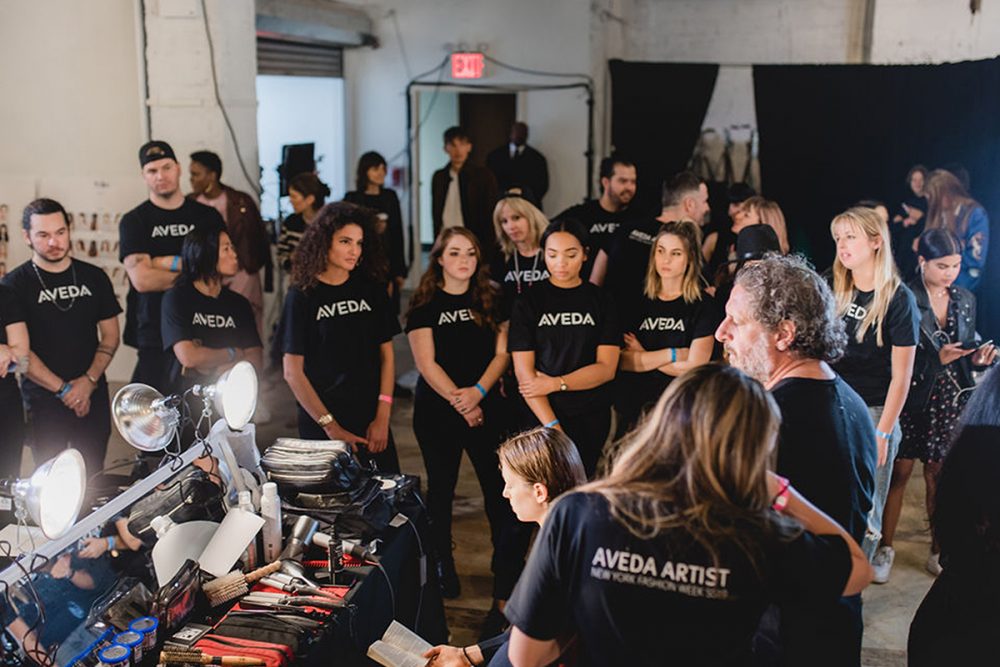
Learning Through Hands-On Experience
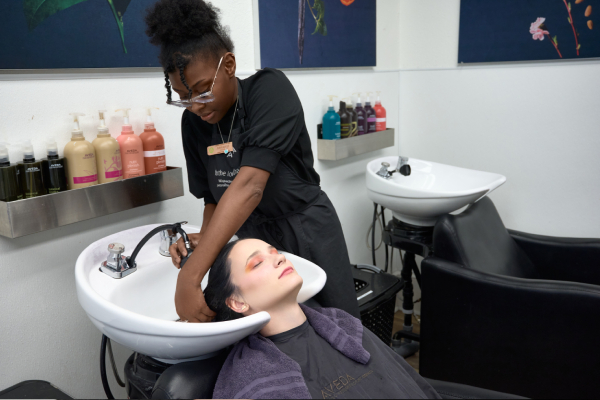
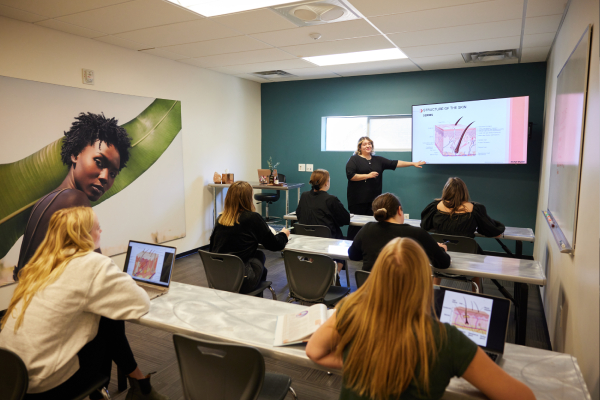
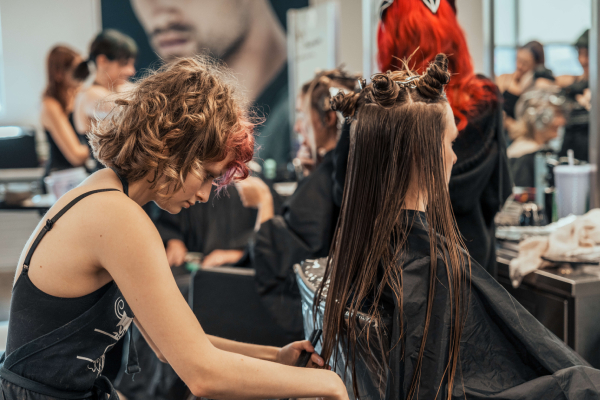
Throughout the program, students move from classroom instruction and mannequin practice into supervised services with real guests.
This hands-on experience allows students to strengthen their techniques, improve their communication skills, receive guidance from educators, and become more comfortable in a salon environment.
Every service becomes an opportunity to learn, adapt, and build confidence.
A Curriculum Designed for the Modern Beauty Professional
The cosmetology curriculum at Inspire Greatness Aveda Institutes is designed to prepare students for more than a licensing exam.
Students receive exposure to:
- Hair textures from 2A to 4C
- Natural hair styling and setting
- Thermal and event styling
- Haircutting and barbering
- Hair color
- Extensions
- Permanent waving
- Natural and artificial nail care
- Waxing
- Facials
- Makeup
- Career and financial planning
- Business building
- Social media and marketing
- Well-being and self-care
Together, these subjects help students become adaptable, knowledgeable, and prepared to explore a wide range of opportunities in the beauty industry.
Ready to see the curriculum in action? Schedule a tour at Inspire Greatness Aveda Institutes and discover what your beauty school education could look like.